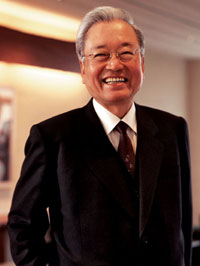
Minoru Mori's Net Worth: Unpacking a Real Estate Empire
In the pantheon of global real estate titans, few names resonate with the visionary ambition and sheer scale of accomplishment as Minoru Mori. The Japanese developer, through his company Mori Building, didn't just construct buildings; he sculpted entire cityscapes, reimagining urban living with his groundbreaking concept of "vertical garden cities." His legacy is etched into the skylines of Tokyo and beyond, marked by iconic structures that integrate residential, commercial, cultural, and green spaces into cohesive, self-sufficient communities.
Understanding Minoru Mori's net worth is not merely about quantifying personal wealth; it's about appreciating the immense value created by a lifetime dedicated to urban innovation. His fortune was inextricably linked to the success and equity of Mori Building Co., Ltd., a private family enterprise that grew into one of Japan's most influential real estate powerhouses. This article delves into the origins of his empire, the philosophy that underpinned his projects, and the factors contributing to his extraordinary wealth.
The Architect of Urban Dreams: Minoru Mori's Visionary Beginnings
Born into a real estate family, Minoru Mori inherited a foundation, but he built an empire. His father, Taikichiro Mori, founded Mori Building in 1959, initially focusing on smaller rental properties. However, it was Minoru, along with his brother Akira, who would steer the company towards audacious, large-scale urban redevelopment projects that defied conventional wisdom.
Minoru Mori’s vision crystallized early: he believed that sprawling cities were inefficient and environmentally unsustainable. Instead, he championed the idea of high-rise, mixed-use developments that would concentrate diverse functions into a compact, vertical space. This wasn't just about building tall; it was about creating vibrant, self-contained ecosystems where people could live, work, shop, learn, and relax without needing to commute long distances. This philosophy would become the bedrock of Mori Building's strategy and the engine behind Minoru Mori's net worth.
He was known for his relentless pursuit of perfection, often personally overseeing every detail of his projects, from architectural design to landscaping and public art installations. This hands-on approach ensured that each Mori Building development wasn't just a collection of structures, but a carefully curated environment designed for human well-being and productivity.
Deconstructing Minoru Mori's Net Worth: A Legacy Forged in Steel and Glass
Pinpointing an exact figure for Minoru Mori's net worth during his lifetime, particularly as head of a privately held company, can be complex. However, financial publications like Forbes routinely estimated his wealth in the multi-billion dollar range, placing him among Japan's wealthiest individuals and a global real estate magnate. For instance, in 2008, Forbes estimated his net worth to be around $6.4 billion.
The core of Mori's wealth derived from his significant ownership stake in Mori Building Co., Ltd. Unlike publicly traded companies where valuations are transparent, private real estate empires involve intricate assessments of landholdings, building values, rental incomes, and future development potential. Mori Building owned vast tracts of prime real estate in Tokyo and managed some of the city's most prestigious and lucrative properties.
Key factors contributing to his substantial net worth included:
- Extensive Landholdings: Mori Building accumulated significant land in prime Tokyo locations, often through patient and complex negotiations, which appreciated immensely over decades.
- High-Value Developments: The company's signature projects like Roppongi Hills and Toranomon Hills were massive investments that generated substantial rental income from high-paying tenants (corporate offices, luxury retail, premium residences) and boasted immense market value.
- Long-Term Ownership Strategy: Unlike many developers who build and sell, Mori Building often retained ownership of its developments, allowing it to capture long-term appreciation and consistent revenue streams.
- Integrated Revenue Streams: Each "vertical garden city" generated revenue not just from office and residential rentals, but also from retail spaces, hotels, cultural facilities, and car parks, creating a diversified and robust income model.
To truly appreciate the scale, one might delve into Minoru Mori Net Worth Revealed: How Rich Was He? for a detailed breakdown of the various components that contributed to his fortune. Furthermore, understanding What Was Minoru Mori's Net Worth at the Time of His Death? provides crucial context on the valuation of his assets and how his wealth was structured posthumously.
Iconic Projects: Pillars of Mori's Fortune
Minoru Mori's strategy was to create destinations, not just buildings. His projects were city-shaping endeavors that redefined urban living and, in turn, generated enormous value. Here are some of his most significant contributions that underpinned Minoru Mori's net worth:
- Roppongi Hills (Completed 2003): This is arguably Mori Building's most famous and ambitious project. A true "city within a city," it features the iconic Mori Tower, luxury residences, a grand Hyatt hotel, a vast shopping mall, museums (Mori Art Museum), cinemas, and extensive green spaces. Roppongi Hills became a symbol of modern Tokyo and a colossal asset in Mori Building's portfolio, generating billions in revenue and appreciation.
- Ark Hills (Completed 1986): An earlier but equally groundbreaking mixed-use development, Ark Hills set the precedent for Mori Building's integrated approach. It combined the first international-class hotel in Tokyo (ANA InterContinental Tokyo), offices, residences, a concert hall (Suntory Hall), and lush gardens. Its success validated Mori's urban development philosophy.
- Atago Green Hills (Completed 2001): Nestled on a hill overlooking Tokyo Bay, this project combined two distinctive towers housing offices, residences, and the exquisite Seishoji Temple, demonstrating Mori's ability to blend modernity with tradition and nature.
- Omotesando Hills (Completed 2006): This architectural marvel, designed by Tadao Ando, transformed one of Tokyo's most fashionable streets into a multi-tiered retail complex that seamlessly integrated with its surroundings, reflecting Mori's commitment to design excellence.
- Toranomon Hills (Completed 2014, posthumously): Though completed after his passing, this project was a culmination of Mori's long-term vision. It features a super-high-rise tower with offices, luxury residences, and the Andaz Tokyo hotel, along with a significant road infrastructure improvement, further solidifying Mori Building's dominance in Tokyo's central business district.
These developments weren't just real estate; they were massive urban regeneration projects that revitalized neighborhoods, attracted businesses, and significantly enhanced Tokyo's global standing. The enduring value and profitability of these assets formed the bedrock of Mori Building's financial strength and, by extension, Minoru Mori's personal wealth.
The Business Philosophy Behind the Billions: Insights from Mori's Empire
Minoru Mori's success was not accidental; it was the result of a deeply held philosophy and strategic principles that can offer valuable insights for aspiring entrepreneurs and urban planners alike:
- Long-Term Vision Over Short-Term Gains: Mori's projects often took decades from conception to completion, requiring immense patience and capital. He focused on creating lasting value, knowing that truly transformative urban spaces appreciate significantly over time. This patient capital approach contrasted sharply with developers seeking quick profits.
- Integrated Urban Planning (Vertical Garden Cities): His core concept of integrating all aspects of urban life into high-rise developments minimized commute times, fostered community, and created a higher quality of life. This holistic approach proved incredibly attractive to both residents and businesses.
- Risk-Taking and Innovation: Mori was not afraid to undertake projects of unprecedented scale and complexity, often in areas previously deemed less desirable. He challenged existing zoning laws and conventional thinking to realize his visions, demonstrating a powerful entrepreneurial spirit.
- Commitment to Design and Art: Mori believed that great architecture and public art were essential components of urban living. His developments were not just functional; they were aesthetically pleasing, featuring designs by world-renowned architects and housing significant art collections, enhancing their allure and value.
- Environmental and Social Responsibility: The "vertical garden city" concept inherently promoted sustainability by reducing urban sprawl and commute times. His projects often incorporated significant green spaces and energy-efficient designs, long before these became mainstream real estate concerns.
Minoru Mori's approach demonstrated that real estate development could be more than just construction; it could be an act of city-building, contributing profoundly to societal well-being and economic prosperity. This profound impact translated directly into the immense value of his enterprise.
Conclusion
Minoru Mori was more than a wealthy developer; he was a master city-builder whose profound vision reshaped the urban landscape of Tokyo and influenced cities worldwide. His philosophy of creating integrated, high-density "vertical garden cities" was revolutionary, addressing modern urban challenges with elegance and foresight. The immense Minoru Mori's net worth was not merely a sum of money, but a reflection of the unparalleled value created by his relentless pursuit of urban excellence, his strategic land acquisitions, and his unwavering commitment to long-term, high-quality development.
Even after his passing in 2012, Mori Building continues to embody his legacy, pushing the boundaries of urban innovation with projects like Toranomon Hills, ensuring that Minoru Mori's vision continues to shape the future of city living. His life serves as a powerful testament to how a clear vision, combined with strategic execution and an unwavering commitment to quality, can not only generate extraordinary wealth but also leave an indelible mark on the world.
